Appointment No.

0562-4088646, 8171997721

Morning: 11:30 am -2:30 pm

Evening: 6:30 pm to 8:00pm

Microincision Cataract Surgery

Home / Microincision Cataract Surgery

Overview of Cataracts

A cataract is the clouding of the natural lens of the eye, leading to blurry vision. As people age, the proteins in the lens can clump together, causing it to become cloudy. Cataract surgery is the most common procedure to treat this condition and involves removing the cloudy lens and replacing it with an artificial intraocular lens (IOL).
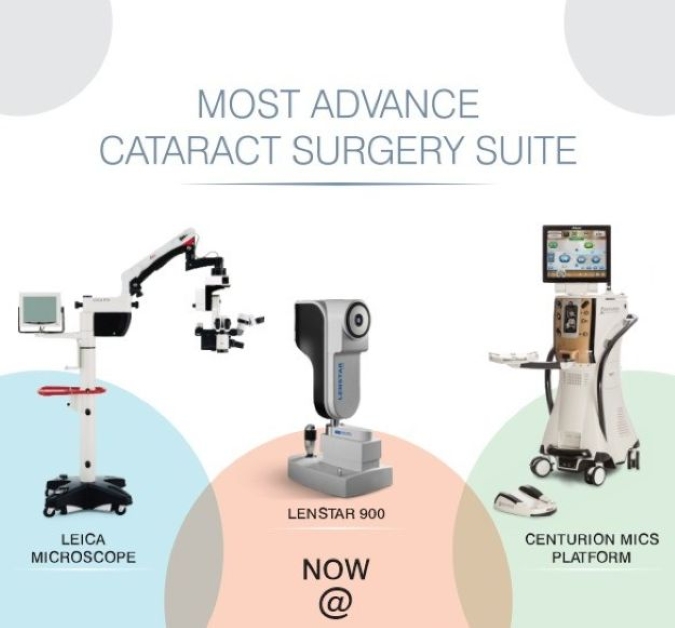
Our Operation theatre is equipped with :

We are proud of heaving introduced state pf the art technologies for the first time in the city of Agra

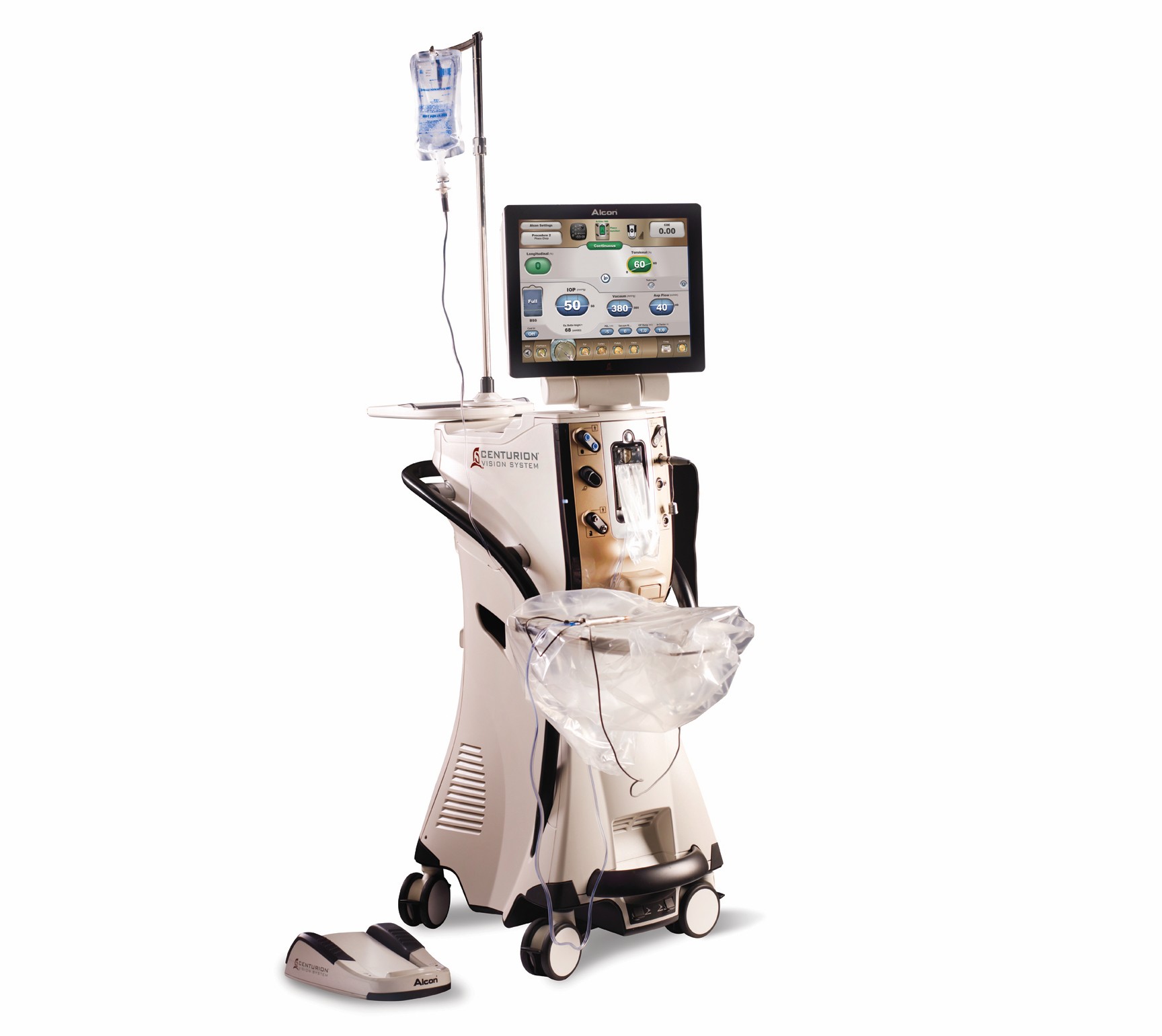
Welcome to the Era of CENTURIAN

With World's most Advanced Centurion Platform Your Cataract Surgery is More Safe & Precise.

AI Driven IOL (Lens) Power Calculations for Better Visual Outcome

Traditional Cataract Surgery vs. Microincision Cataract Surgery

    Traditional Cataract Surgery:

    In traditional cataract surgery (also known as extracapsular cataract extraction), a larger incision (typically 6-10 mm) is made to remove the cataract. This larger incision requires stitches for closure and leads to a longer recovery time

    Microincision Cataract Surgery (MICS):

    MICS, as the name suggests, uses much smaller incisions. The incisions range between 1.8 mm to 2.4 mm, which are significantly smaller than those used in traditional cataract surgery. These smaller incisions offer multiple benefits, including reduced risk of infection, quicker recovery, and less discomfort for the patient.

Key Benefits of Microincision Cataract Surgery

Book An Appointment

Walk into our clinic

Morning -

11:30 am -2:30 pm

Evening

6:30 pm to 8:00pm

Sunday -

Closed

Pre-Operative Preparation:

    Smaller Incisions

  • The patient is usually given a local anesthetic to numb the eye.
  • In some cases, sedation may be provided to help the patient relax.
  • The surgeon prepares the eye with antiseptic solutions to minimize the risk of infection.

    Steps Involved in MICS:

  • Small Incision: The surgeon creates an incision between 1.8 mm and 2.4 mm in size. This small incision is usually made at the edge of the cornea, where it is least likely to cause trauma to the eye.
  • Phacoemulsification: A small probe is inserted through the incision. This probe emits high-frequency ultrasound waves to break up (emulsify) the cataract into tiny fragments. The emulsified cataract material is then suctioned out of the eye.
  • Insertion of Intraocular Lens (IOL): After the cataract is removed, the surgeon places an intraocular lens (IOL) into the lens capsule. The IOL serves as a replacement for the natural lens, improving the patient’s vision.
  • No Stitches (in many cases): Because the incision is so small, it often does not require sutures to close. The eye heals naturally, and the wound typically seals within a few hours.
  • Post-Operative Care: The patient is monitored for a short time after surgery and given eye drops to prevent infection and control inflammation.

    Types of Intraocular Lenses (IOLs) Used in MICS

  • Monofocal IOLs: Provide clear vision at one distance (usually for distance vision). These are the most commonly used type.
  • Multifocal IOLs: Provide clear vision at multiple distances, reducing the need for glasses after surgery.
  • Toric IOLs: Used for patients with astigmatism. These lenses help correct both the cataract and astigmatism.
  • Accommodating IOLs: These lenses change shape after implantation to allow for improved vision at varying distances.

Post-Operative Care and Recovery

    Post-Operative Care and Recovery

  • Immediate Recovery: After surgery, patients may notice some mild discomfort or irritation in the eye, but this usually subsides within a few hours.
  • Post-Surgical Vision: Vision generally improves within a few days to weeks. Full stabilization of vision may take several weeks.
  • Medications: Patients are typically prescribed antibiotic and anti-inflammatory eye drops to prevent infection and reduce swelling.
  • Follow-up Appointments: Regular follow-up appointments will be scheduled to ensure the eye is healing properly and to check for any complications.
  • Activity Restrictions: Patients are usually advised to avoid strenuous activities and swimming for a few weeks after surgery.